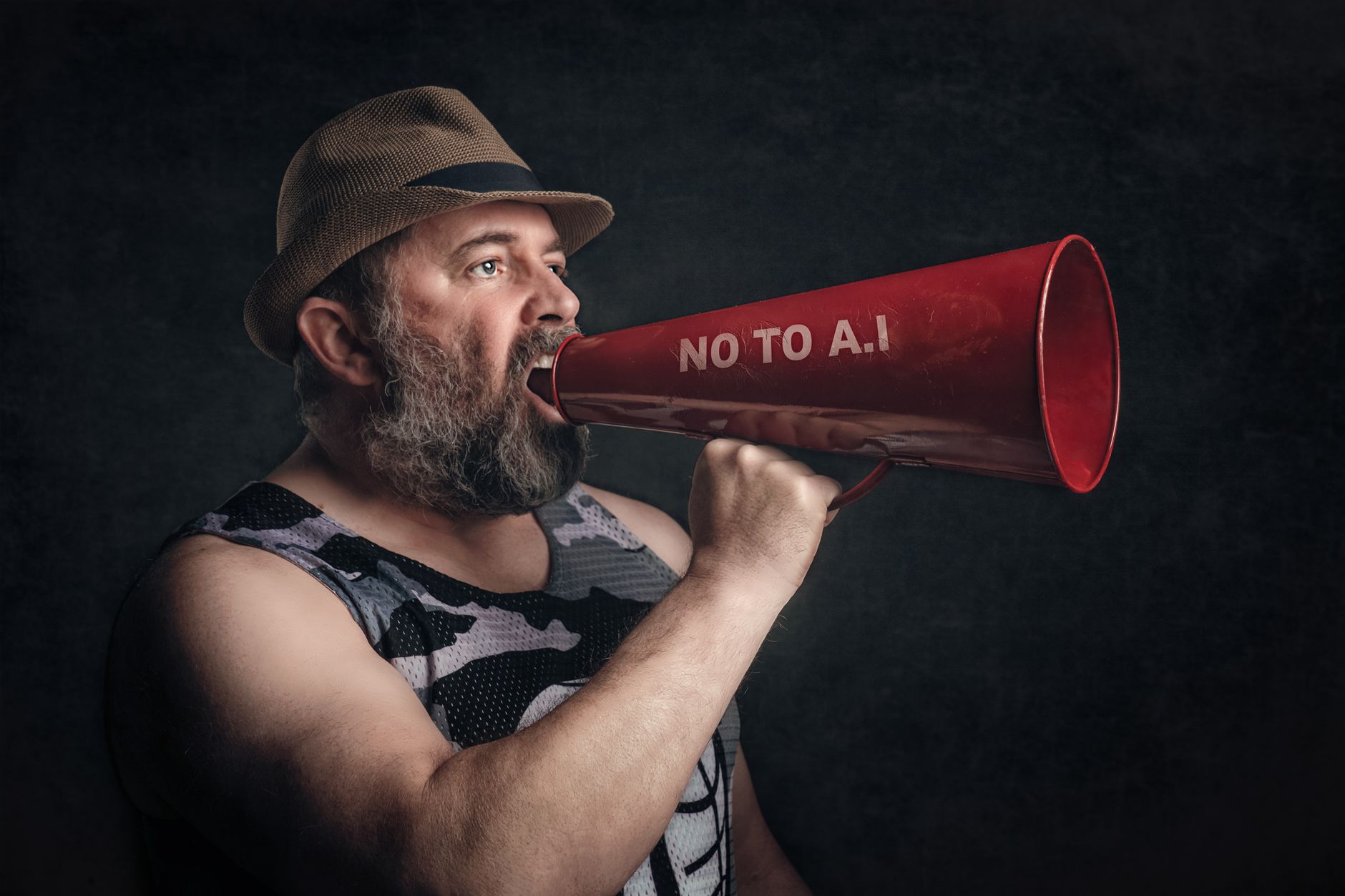
The right to be afraid of AI is a sentiment echoed by OpenAI CEO Sam Altman, who believes that while fear is valid, there is also a need for trust in technology companies.
Understanding AI Fear
Recent statements from OpenAI CEO Sam Altman have ignited discussions surrounding the right to be afraid of AI. Altman acknowledges that fear is a natural response to the rapid advancements in artificial intelligence. He emphasizes the importance of recognizing these concerns while also fostering a sense of trust in the technology sector.
In his remarks, Altman highlighted several factors contributing to the anxiety surrounding AI:
- Rapid Advancements: The swift pace at which AI technology evolves can leave many feeling overwhelmed and uncertain about its implications.
- Ethical Considerations: Questions surrounding the ethical use of AI, including potential biases and misuse, contribute to public apprehension.
- Job Displacement: As AI systems become more capable, fears regarding job security and economic impact are prevalent among workers.
- Lack of Understanding: Many individuals do not fully comprehend how AI systems operate, leading to distrust and fear of the unknown.
While Altman supports the notion that people have a right to be afraid of AI, he also believes that transparency and ethical practices from tech companies can help alleviate these fears and build a stronger foundation for the future.
Sam Altman’s Perspective on AI
In a recent discussion, Sam Altman, the CEO of OpenAI, expressed a candid perspective on the growing concerns surrounding artificial intelligence. He acknowledged that people have a legitimate right to be afraid of AI, recognizing the potential risks and ethical dilemmas posed by advanced technologies. Altman emphasized that fear can be a natural response to the unknown, especially as AI systems become more integrated into daily life.
However, he also urged the public to trust technology firms, suggesting that these companies are working diligently to ensure safety and accountability in AI development. Altman pointed out that the challenges presented by AI should not overshadow the immense benefits it can bring to society, such as improving healthcare, education, and overall quality of life.
He proposed a balanced approach, advocating for open dialogue and collaboration between tech companies, governments, and the public. This dialogue is essential to address concerns and foster a sense of security regarding AI. Ultimately, Altman believes that by acknowledging fears while also promoting transparency, society can navigate the complexities of AI development more effectively.
As discussions continue, the interplay between fear and trust in AI remains a critical topic for stakeholders across various sectors.
The Role of Trust in Technology
As discussions around artificial intelligence (AI) continue to evolve, the right to be afraid of AI remains a pivotal topic. Trust emerges as a fundamental component in bridging the gap between public apprehension and technological advancement. Sam Altman, CEO of OpenAI, emphasizes that while fear is a natural response, it is essential for society to cultivate a trusting relationship with technology firms.
Altman suggests that trust can be built through:
- Transparency: Companies must be open about how AI systems work and the potential risks involved.
- Accountability: Tech firms should take responsibility for their products and their impact on society.
- Collaboration: Engaging with various stakeholders, including policymakers, researchers, and the public, can help align AI development with societal values.
Moreover, fostering an environment where concerns about AI are addressed openly can lead to more informed discussions. As Altman notes, overcoming fear through understanding and trust is crucial for harnessing the positive potential of AI while mitigating its risks.
Public Concerns About AI
As artificial intelligence continues to advance rapidly, public concerns about its implications are growing. Many people express a right to be afraid of AI, fearing the potential for misuse and unforeseen consequences. These anxieties are fueled by various factors, including:
- Job Displacement: Automation could render numerous jobs obsolete, leading to significant economic disruption.
- Privacy Issues: The ability of AI systems to process vast amounts of personal data raises questions about surveillance and individual rights.
- Bias and Fairness: AI systems can perpetuate existing biases if not designed carefully, resulting in unfair outcomes for marginalized groups.
- Autonomous Decision-Making: The idea of machines making critical decisions without human oversight is a source of concern for many.
Despite these fears, experts like Sam Altman argue that a balanced approach is essential. He emphasizes the importance of fostering trust between the public and tech firms. Altman believes that while the right to be afraid of AI is valid, embracing the potential benefits of this technology is equally crucial for progress and innovation.
Future of AI and Society
As artificial intelligence continues to evolve, the future of AI and society remains a topic of intense debate. Sam Altman, CEO of OpenAI, emphasizes that the right to be afraid of AI is a valid sentiment. He acknowledges the potential risks associated with advanced technology, but also highlights the opportunities it presents for societal progress.
In a world increasingly influenced by AI, it is crucial for the public to engage in discussions about its implications. Altman stresses that understanding and addressing fears is essential for building a responsible framework around AI development. He advocates for transparency and ethical guidelines to ensure technology aligns with human values.
Some key considerations for the future of AI include:
- Ethical Implementation: Developing AI systems that prioritize human wellbeing.
- Public Accountability: Encouraging tech firms to be transparent about their practices and decision-making processes.
- Inclusive Dialogue: Fostering conversations among stakeholders, including policymakers, technologists, and the general public.
Ultimately, while acknowledging the right to be afraid of AI, Altman believes that with the right approach, society can harness AI’s potential for good.
Photo by Murry Lee on Pexels